Storm Season In Darwin: How To Protect Drains From Debris And Flood Damage
Darwin's wet season brings spectacular storms, heavy rainfall and high humidity, but it also places significant pressure on residential drainage systems. When intense downpours arrive, even a partially blocked drain can quickly become a major problem, leading to flooding, water damage and costly repairs.
Many homeowners don't think about their drains until water starts backing up or unpleasant odours appear. However, storm season is precisely when drainage systems need to perform at their best. Preparing your drains before the wet season can help protect your property from flood damage and reduce the risk of emergency plumbing callouts.
For homeowners dealing with blocked drains in Darwin during the wet season, understanding the common causes of blockages and taking preventative action can make a significant difference.
Why Storm Season Creates More Drainage Problems
Darwin receives substantial rainfall during the wet season, often in short, intense bursts. When heavy rain falls faster than drains can handle, any existing blockage becomes much more serious. Water that would normally flow away efficiently can instead back up into:
- Gutters
- Stormwater drains
- Outdoor drainage systems
- Driveways
- Gardens
- Around building foundations
Even minor obstructions can restrict water flow and increase the likelihood of localised flooding. This is why many
plumbers in Darwin recommend checking drainage systems before storm season arrives.
Common Causes of Blocked Drains During the Wet Season
Several factors contribute to drainage problems during Darwin's storm season.
Plant Matter and Garden Debris
Leaves, twigs, bark and other organic material are among the most common causes of blocked drains. During storms, strong winds can carry debris into:
- Gutters
- Downpipes
- Stormwater drains
- Outdoor grates
Once trapped, this material can accumulate quickly and restrict water flow. Over time, decomposing organic matter can create dense blockages that become increasingly difficult to remove without professional equipment.
Heavy Rainfall
Heavy rainfall itself can contribute to drainage issues. Large volumes of water often carry:
- Soil
- Sand
- Mulch
- Leaf litter
- Garden waste
These materials can settle within pipes and drainage channels, gradually reducing capacity. When another storm arrives, the restricted system may struggle to cope with the increased water flow.
Grease and Fat Build-Up
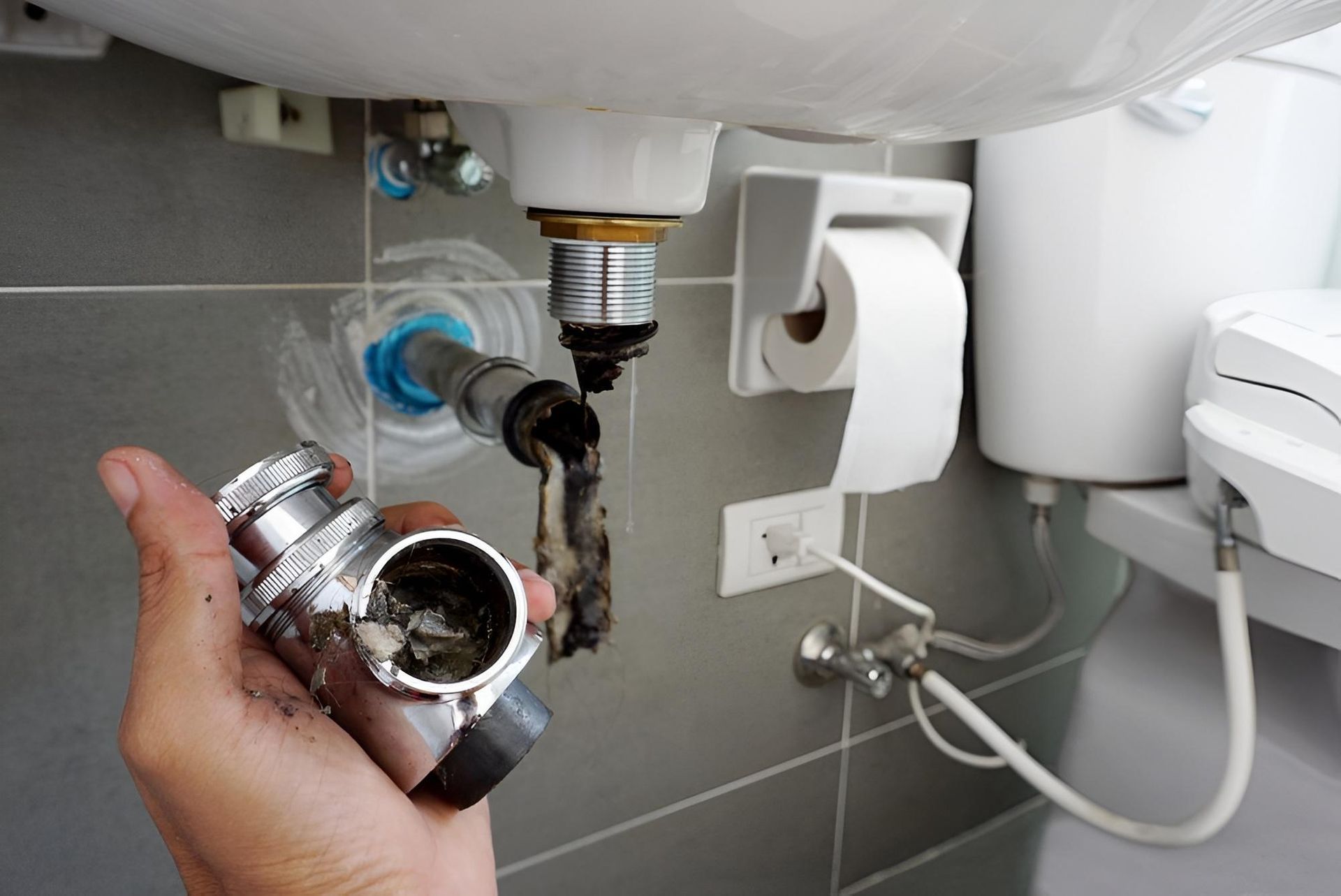
Although storms don't directly cause grease blockages, heavy rainfall can expose existing problems within household drains. Kitchen waste such as cooking oils, grease and fat residue can accumulate inside pipes over time.
As grease cools, it hardens and narrows the pipe diameter. During periods of heavy water usage or storm-related pressure on drainage systems, these restrictions can contribute to complete blockages.
Proper disposal of cooking grease remains one of the most effective ways to prevent household drain problems.
Tree Root Intrusion
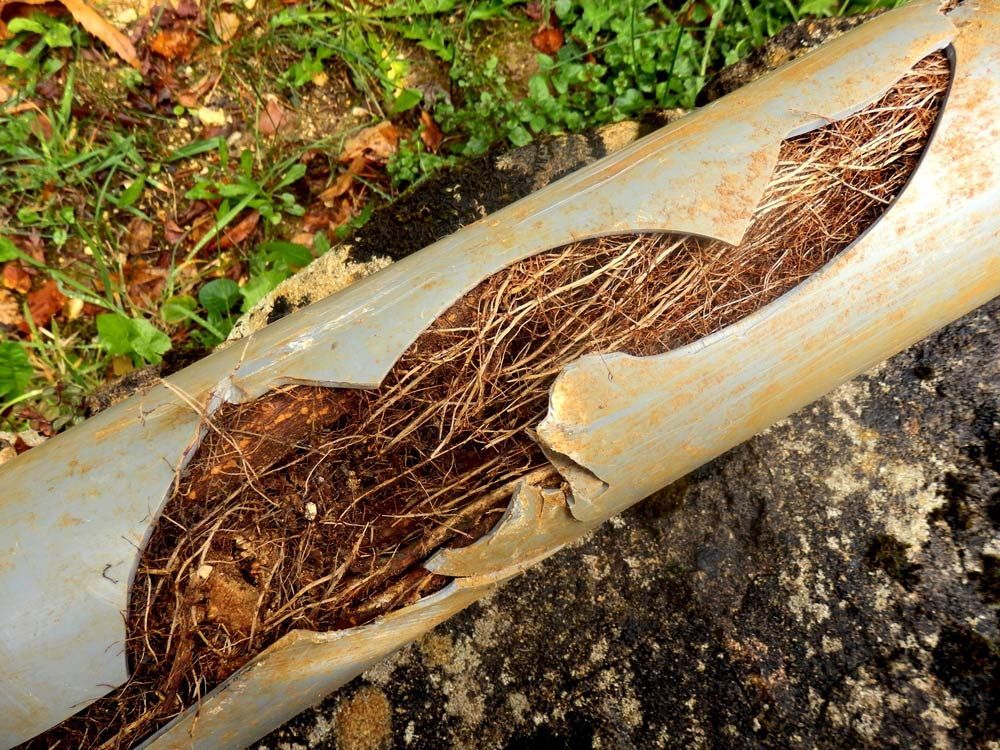
Darwin's tropical climate encourages rapid plant growth, including tree roots. Roots naturally seek out moisture and can enter drainage systems through:
- Small cracks
- Pipe joints
- Damaged sections of pipework
Once inside, roots continue growing and can trap debris, significantly restricting water flow. Root intrusion is a common cause of recurring blocked drains in Darwin, particularly in older properties.
What Happens If Drain Blockages Are Ignored?
Many drainage issues begin as minor inconveniences but can become serious if left untreated. Potential consequences include:
Water Backing Up Around the Property
Blocked drains can cause water to pool around:
- Patios
- Driveways
- Garden areas
- Building foundations
Persistent water accumulation can damage landscaping and create safety hazards.
Unpleasant Odours
Standing water and trapped organic matter often produce foul smells. These odours may indicate:
- Drainage blockages
- Organic decomposition
- Poor water flow
Addressing the underlying cause early can prevent more significant issues from developing.
Structural Damage
One of the most serious risks associated with blocked drains is water damage to buildings. Poor drainage can contribute to:
- Soil erosion
- Foundation movement
- Water ingress
- Damage to paving and retaining walls
Repairing structural damage is often significantly more expensive than preventative drain maintenance.
Increased Flood Risk
During severe storms, blocked drainage systems may struggle to manage large volumes of water. This can increase the likelihood of:
- Property flooding
- Internal water damage
- Damage to belongings
- Expensive clean-up costs
How to Protect Your Drains Before Storm Season
Fortunately, there are several practical steps homeowners can take to reduce the risk of drainage problems.
Clean Gutters Regularly
Gutters play an important role in directing rainwater away from your home. Regular gutter cleaning helps prevent:
- Leaf build-up
- Overflowing gutters
- Blocked downpipes
- Excess water around foundations
Before Darwin's wet season begins, a thorough gutter clean is highly recommended.
Install Drain Guards
Drain guards help prevent leaves and debris from entering drainage systems. They can be installed on:
- Stormwater drains
- Outdoor grates
- Gutters
- Downpipes
While drain guards do not eliminate maintenance requirements entirely, they can significantly reduce debris accumulation.
Dispose of Grease Correctly
Cooking oils and grease should never be poured down sinks. Instead:
- Allow grease to cool
- Place it in a sealed container
- Dispose of it with household waste
This simple habit helps prevent internal pipe blockages from developing over time.
Monitor Drain Performance
Pay attention to warning signs such as:
- Slow drainage
- Gurgling sounds
- Water pooling
- Unpleasant odours
These symptoms often indicate developing blockages that can be addressed before they become major problems.
Schedule Regular Drain Inspections
Professional inspections can identify hidden drainage issues that are not visible from the surface. Early detection often prevents expensive emergency repairs later.
How Full On Plumbing Identifies and Clears Blockages
Modern plumbing technology allows drainage problems to be diagnosed more accurately than ever before.
CCTV Drain Inspections
CCTV cameras are used to inspect the inside of pipes and identify issues such as:
- Tree root intrusion
- Pipe damage
- Debris build-up
- Grease accumulation
- Structural defects
This technology allows plumbers to locate the exact cause of a blockage without unnecessary excavation.
High-Pressure Water Jetting
High-pressure water jetting is one of the most effective methods for clearing blocked drains. This process uses powerful water jets to remove:
- Grease deposits
- Tree roots
- Sediment
- Organic debris
Unlike temporary fixes, water jetting thoroughly cleans pipe walls and helps restore proper flow.
Why a Pre-Storm Drain Inspection Is Worth Considering
The best time to address drainage issues is before severe weather arrives. A pre-storm inspection can help identify:
- Existing blockages
- Pipe damage
- Root intrusion
- Drainage capacity concerns
By resolving these issues early, homeowners can reduce the likelihood of storm-related flooding and emergency plumbing problems.
Prepare Your Drains Before Darwin's Wet Season
Darwin's storm season places significant demands on residential drainage systems. Leaves, garden debris, grease build-up, tree roots and heavy rainfall can all contribute to drainage problems that increase the risk of flooding and property damage.
Taking preventative measures such as gutter cleaning, installing drain guards, disposing of grease correctly and scheduling professional inspections can help keep drains flowing efficiently throughout the wet season.
If you're concerned about blocked drains in Darwin during storm season, the team at Full On Plumbing & Gas can help. Using advanced CCTV inspections and high-pressure water jetting equipment, we identify and clear blockages before they turn into costly emergencies, helping protect your property when Darwin's heaviest rains arrive.