Why Commercial Properties Need Regular Gas Safety Inspections
Commercial gas systems often run for long hours and support essential equipment. Regular inspections by a licensed gas fitter Darwin businesses trust can identify leaks, damaged fittings, appliance issues and other faults before they become safety risks or cause costly downtime.
For Darwin restaurants, industrial sites and commercial properties, preventative gas inspections also support safer operations and ongoing compliance.
Why Gas Safety Matters More In Commercial Settings
Commercial gas systems generally work harder than residential systems. Restaurants may operate several gas appliances throughout each service, while industrial facilities can rely on gas-powered equipment for daily operations.
Heavy use creates ongoing wear on fittings, valves, connections and appliances. Commercial sites can also have complex pipework or multiple appliances connected to the same system.
A fault can affect more than one appliance. A suspected gas leak, for example, may require part of the premises to stop operating while the problem is investigated. Regular inspections help identify developing issues before they cause a larger disruption.
Your Compliance Responsibilities As A Business Owner Or Property Manager
Business owners and property managers need to maintain a safe environment for staff, customers, tenants and contractors. Gas installations and appliances form part of that responsibility. Specific requirements depend on the property, equipment, work involved and relevant Northern Territory requirements. Gas installation, servicing and repair work should be completed by appropriately licensed professionals.
Good gas safety management can include:
- Scheduling inspections based on equipment and usage
- Arranging gas appliance servicing when required
- Keeping maintenance and repair records
- Responding promptly to suspected faults
- Using licensed professionals for gas work.
Adding inspections to your
commercial property maintenance schedule helps make gas safety a planned task rather than a response to an unexpected problem.
The Safety Risks Of Skipping Routine Gas Inspections
Gas faults are not always immediately obvious. Connections can deteriorate, appliances may develop operating problems and pipework can be damaged without causing an instant breakdown.
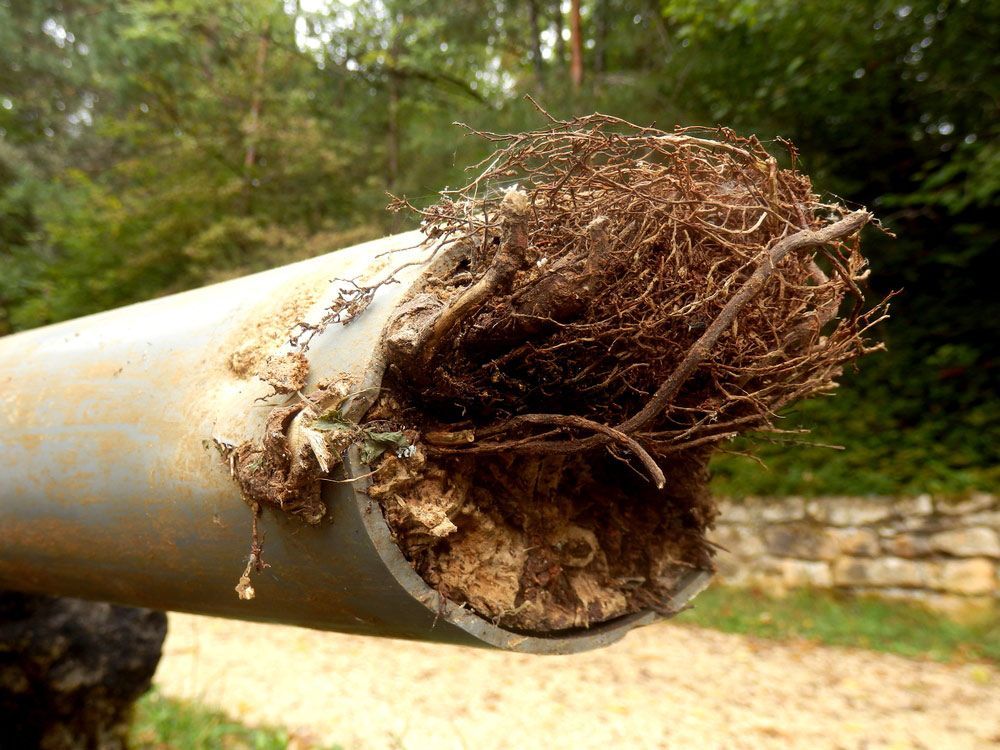
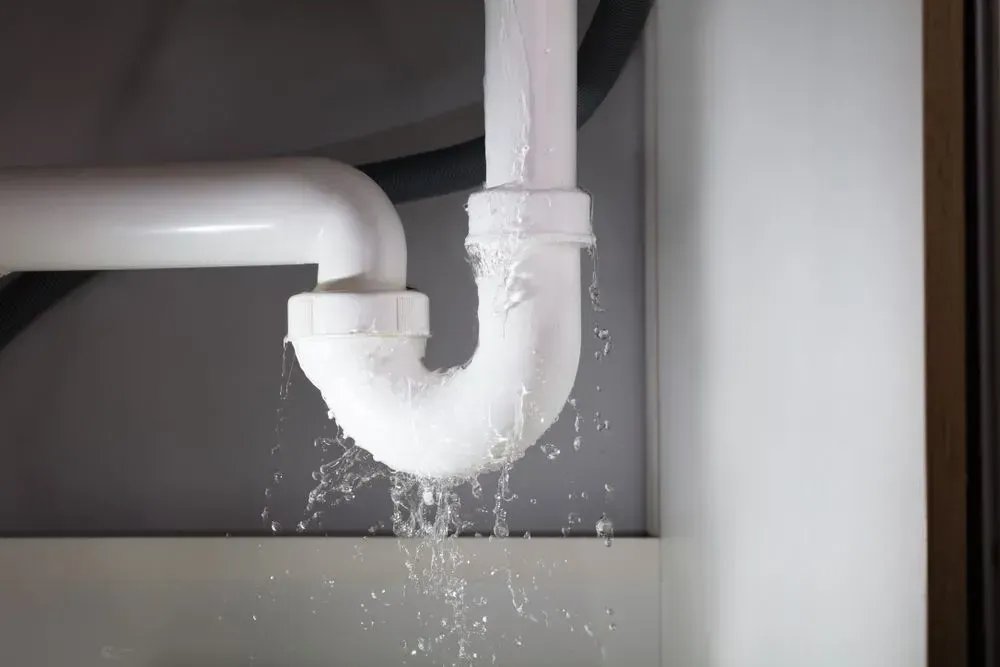
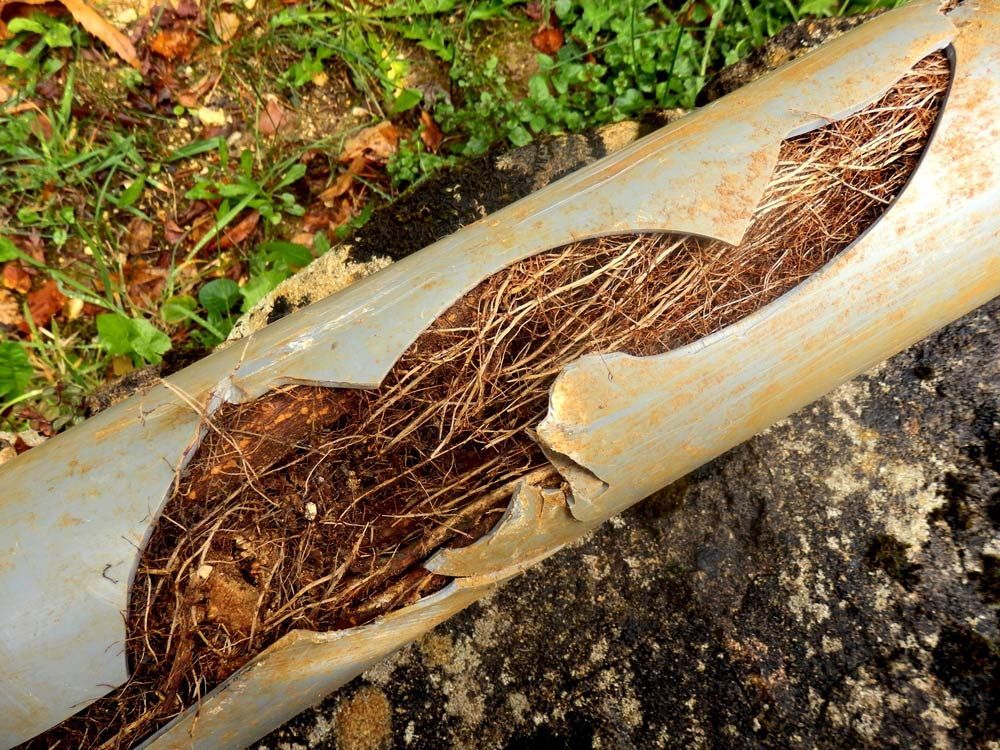
Much like hidden plumbing problems, minor gas faults can remain unnoticed until they become more serious. Professional gas leak detection and routine inspections help uncover problems that may otherwise be missed.
Warning signs can include:
- Unusual gas smells
- Difficulty igniting appliances
- Appliances repeatedly going out
- Corrosion or damaged fittings
- Changes in appliance performance
- Damaged connections.
If you smell gas or suspect a leak, follow your site's emergency procedures and seek professional assistance. Do not attempt to repair a gas fault yourself.
What A Commercial Gas Safety Inspection Covers
The inspection process varies according to the property and gas installation, but several areas typically require attention.
How Are Gas Lines And Fittings Checked?
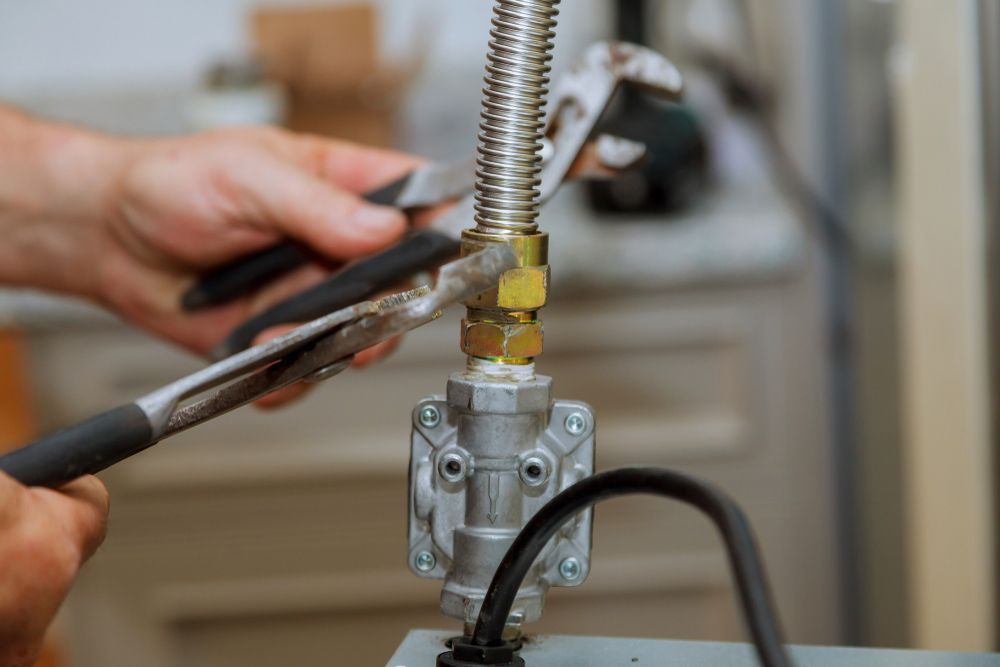
A gas fitter can inspect accessible pipework and fittings for damage, deterioration or corrosion. This can be especially important in properties that have undergone renovations, equipment changes or alterations over time.
What Is Checked Around Appliance Connections?
Appliance connections need to remain secure and suitable for the equipment. A gas fitter can identify visible deterioration or faults requiring repair or servicing.
Why Does Ventilation Matter?
Gas appliances require appropriate ventilation and operating conditions. Commercial kitchens can warrant particular attention because changes to appliances, extraction systems or layouts may affect those conditions.
How Does Gas Leak Detection Help?
Professional gas leak detection uses appropriate testing methods to check the integrity of the gas system and investigate suspected leaks.
Are Shut-Off Valves Checked?
Shut-off valves allow gas supplies to be isolated when necessary. Their condition and accessibility are important parts of maintaining a commercial gas system.
Depending on the site, an inspection may therefore cover:
- Gas lines and fittings
- Appliance connections
- Ventilation
- Leak testing
- Shut-off valves
- Visible damage or deterioration.
How Often Should Commercial Gas Systems Be Inspected?
There is no single inspection frequency that suits every commercial property. The right schedule depends on equipment, usage, manufacturer requirements, previous faults and applicable compliance obligations.
A busy Darwin restaurant using gas cooking appliances every day, for example, has different maintenance demands from an office with limited gas equipment. Industrial sites can have different requirements again.
According to industry best practice, gas systems should form part of planned preventative maintenance rather than only receiving attention after a fault occurs.
An inspection may also be appropriate when:
- Gas equipment is installed or changed
- Recurring appliance faults appear
- Equipment shows signs of deterioration
- The property layout changes
- A leak or gas system fault is suspected.
A licensed gas fitter can assess the site and advise on an appropriate inspection and servicing schedule.
The Business Value Of Routine Inspections
Regular inspections prioritise safety, but they can also help businesses manage maintenance and minimise disruption. Finding deterioration early gives you an opportunity to arrange repairs at a practical time rather than dealing with an unexpected breakdown during trading or production.
Example: A Darwin café has several heavily used gas appliances. During a routine inspection, the gas fitter identifies a deteriorating appliance connection. The café can schedule the repair outside its busiest service period instead of waiting for the appliance to fail.
Routine inspections can help with:
- Fewer unexpected breakdowns
- Reduced operational downtime
- Earlier identification of repairs
- Planned appliance servicing
- Maintaining equipment for longer
- Peace of mind for staff and customers.
For commercial property managers, regular inspections also create a clearer maintenance history across the property.
Choosing A Licensed Gas Fitter In Darwin For Your Commercial Property
Commercial gas fitting requires appropriate licensing and experience. Look for a gas fitter who understands commercial systems and can assist with installations, appliance connections, servicing, leak detection and repairs.
Useful capabilities include:
- Commercial and industrial gas fitting
- Gas leak detection and fault finding
- Appliance connections and servicing
- Scheduled maintenance
- Emergency repair services.
Full On Plumbing & Gas provides gas fitting services for residential, commercial and industrial clients across Darwin, Winnellie, Palmerston and surrounding areas.
Access to emergency support is also important for commercial properties. If you smell gas or experience an urgent fault, Full On Plumbing & Gas provides 24-hour emergency gas repairs to help businesses respond quickly.
The key takeaway is that commercial gas safety should be preventative, not reactive. Regular inspections can identify developing faults, support compliance and reduce the chance of gas system problems disrupting your operations.
For commercial gas safety inspections, appliance connections, servicing or repairs,
contact Full On Plumbing & Gas. Our team assists businesses and property managers throughout Darwin, Winnellie, Palmerston and surrounding areas with professional gas fitting services.
FAQs About Commercial Gas Safety Inspections
What does a commercial gas safety inspection include?
An inspection can cover gas lines, fittings, appliance connections, ventilation, leak testing and shut-off valves. The exact checks depend on the property's gas installation and equipment.
Who can inspect commercial gas systems in Darwin?
Gas fitting work should be completed by an appropriately licensed professional. For commercial properties, choose someone with relevant experience in commercial gas systems, appliances and maintenance.
What should I do if I smell gas at my business?
Treat a suspected gas leak seriously. Keep people away from the affected area, avoid potential ignition sources, follow your emergency procedures and seek professional assistance. Contact emergency services if there is an immediate danger to people or property.
How often should a commercial gas system be inspected?
Inspection frequency depends on the equipment, usage, manufacturer requirements, system condition and applicable compliance obligations. A licensed gas fitter can recommend an appropriate schedule after assessing the property.
Can inspections help prevent gas appliance breakdowns?
Routine inspections can identify deterioration and maintenance requirements before some issues develop into breakdowns. They also allow businesses to schedule servicing and repairs at more convenient times.
Why use preventative gas maintenance?
Preventative maintenance helps identify problems earlier and gives businesses more control over repairs. It can support safer operations while reducing the likelihood of an unexpected gas fault disrupting normal business activities.